Why Your Jump Shot Falls Apart in the Fourth Quarter (Even When Your Form Looks Fine)
Quick Answer: Shots fall short late in games because tired legs stop contributing power to the shot, and shooters compensate with their arms alone — which is far less consistent. The fix is a legs-first shot cue you can rehearse specifically under fatigue, not just in fresh warmups.
Your first-quarter shot looks clean. By the fourth, the same shot is clanging short off the front rim, and it’s not because your form actually changed on camera — it’s because the power source behind it quietly disappeared.
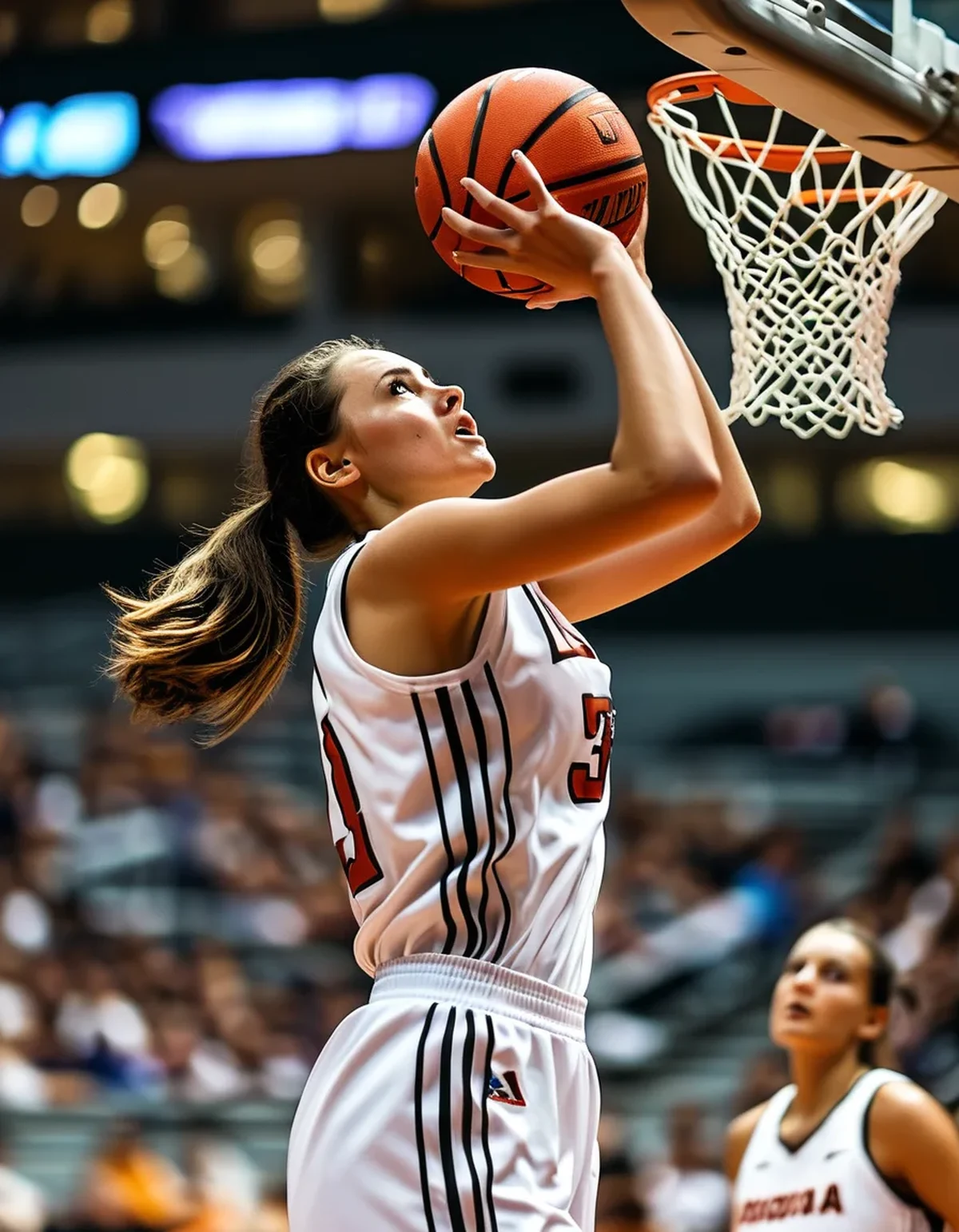
Why do shots specifically fall short, not long, when you’re tired?
Fatigued leg muscles produce less upward force during the jump, which is the primary power source in a proper shot. Most players unconsciously try to compensate with more arm and wrist effort, but arms alone can’t replace the power legs were generating — so the shot loses just enough force to fall short, especially from mid-range and three-point distance.
Does shooting form actually break down, or is it just power?
Both, but power goes first. Leg drive is the first thing fatigue takes, usually well before your release point or follow-through visibly changes. That’s why a shot can look mechanically fine on slow-motion video and still miss short — the visible form hasn’t broken, the invisible power input has.
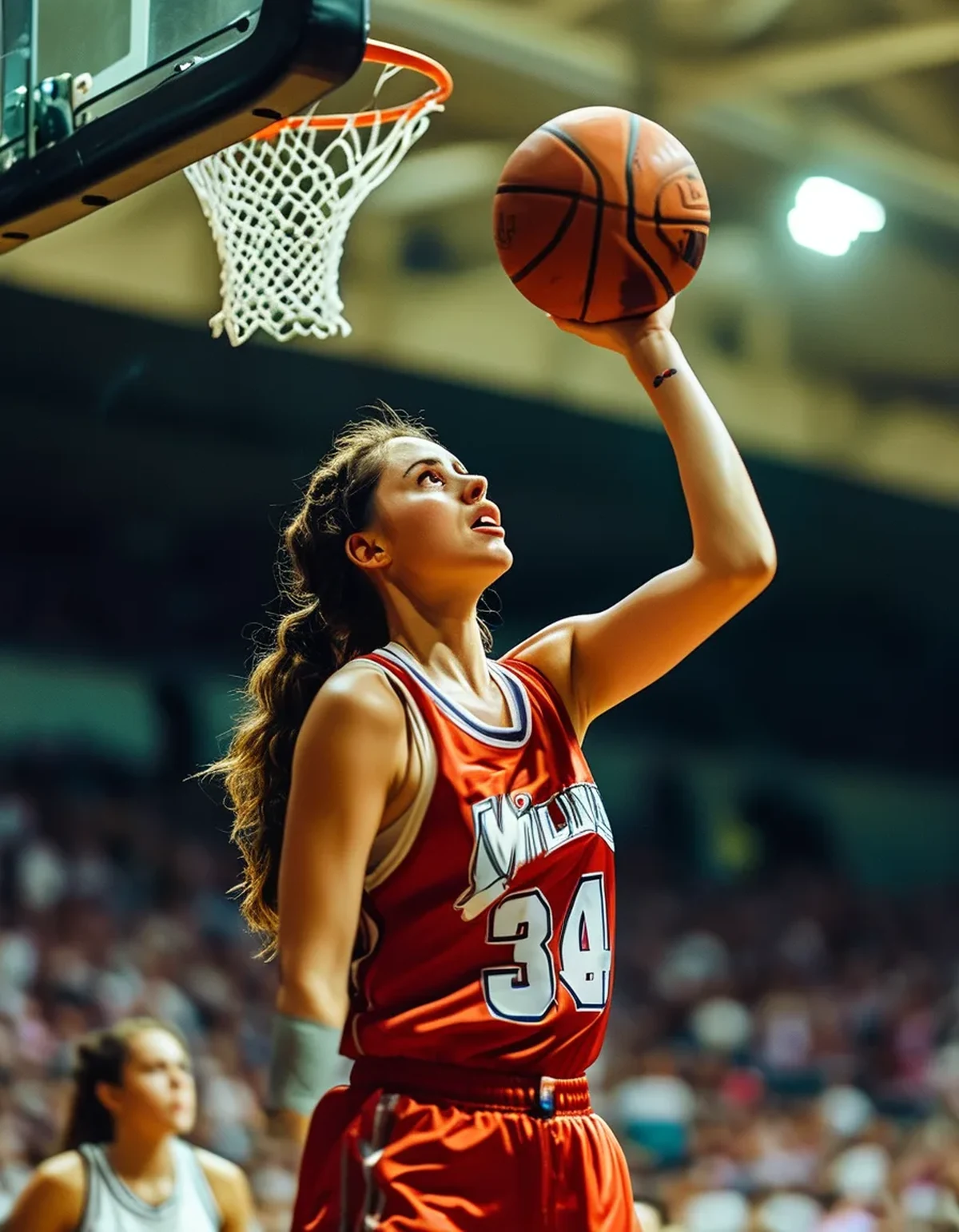
What’s a practical way to fix this specifically?
Practice a ‘legs-first’ shot cue — consciously feel your legs load and drive before your arms even start moving — during conditioned, tired reps at the end of practice, not just fresh warmup shots. Most shooting drills happen when you’re rested, which trains a form that doesn’t survive game fatigue; adding a shooting set after sprints closes that gap directly.
5 Mistakes Everyone Makes With Late-Game Shooting
1. Only practicing shots when fresh, never under conditioned fatigue that mimics the fourth quarter. 2. Compensating with more arm snap instead of re-engaging the legs, which makes the miss pattern worse over a game. 3. Ignoring footwork on the catch, which matters more when legs are already tired and can’t correct a bad base. 4. Not tracking makes/misses by quarter, so the pattern goes unnoticed for entire seasons. 5. Assuming it’s a confidence issue when it’s a mechanical, fatigue-driven power problem with a specific fix.
FAQ: Late-Game Shooting Fatigue Questions, Answered
Should I just shoot closer to the basket when I’m tired?
That can help in the moment, but it doesn’t fix the underlying issue — building conditioned shooting reps into practice addresses the actual cause rather than just avoiding it.
How many conditioned shooting reps does it take to see a difference?
Most players notice a meaningful change in late-game shooting percentage after 3-4 weeks of adding fatigued shooting sets twice a week, though it varies by starting conditioning level.
Does this affect free throws the same way?
Less so — free throws come with a rest window before each attempt, which is exactly why free throw percentage often holds up even when live-shot percentage drops late in games.
TL;DR:
- Late-game misses usually fall short because tired legs stop powering the shot, not because form breaks
- Arms can’t fully replace leg-driven power, no matter how hard you compensate
- Practicing shots after conditioning work trains the exact scenario games create
- Track makes by quarter to confirm whether this pattern is actually happening to you
Keep Reading
This article is for general informational and styling purposes only. Fit, sizing, and product availability may vary.