Why Your Shot Feels Completely Different With a Brand New Basketball
Quick Answer: A new ball has a different surface texture, is often slightly slicker before break-in, and may differ in inflation pressure and seam depth from the one you learned on. Your shot is calibrated to a specific feel at release, so small changes in grip friction alter backspin and release timing. Most shooters need a week or two of regular use before a new ball feels normal, and inflation pressure is the variable people check last and should check first.
You have shot the same ball for two years. The new one arrives, looks identical, and your first twenty shots are all long, short, or flat.
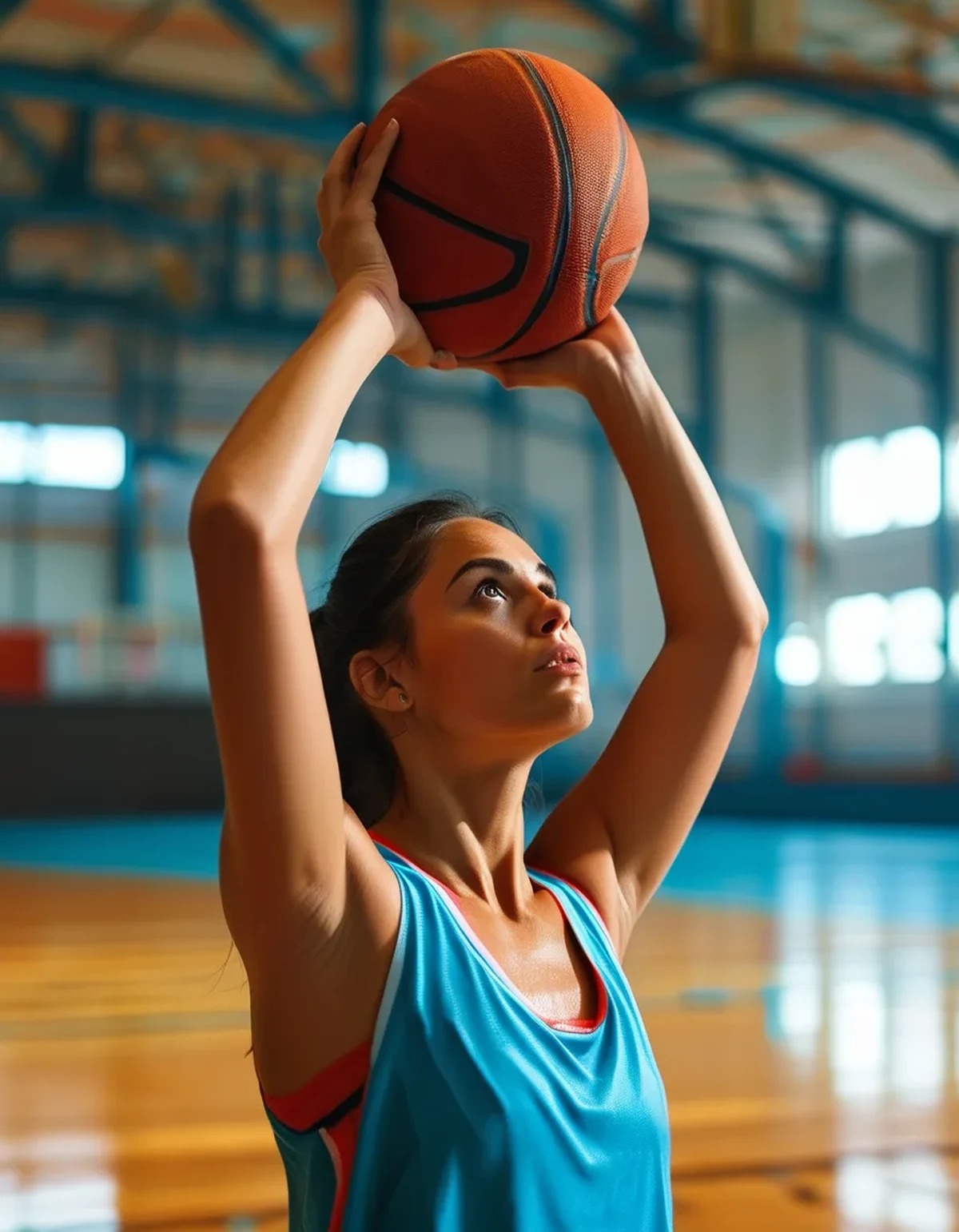
What actually changes when the ball is new?
Several things at once, which is why the effect feels larger than any single factor explains.
Surface texture is the big one. New composite leather has a coating and a pebbling pattern that has not been worn in. It is generally slicker at first, and grip friction directly affects how much backspin you impart at release.
Backspin is what makes shots forgiving. A ball with good backspin has a softer bounce on the rim and is more likely to drop through on a slightly off shot. Less grip means less spin, which means shots that would have rattled in now rattle out.
Inflation pressure is frequently wrong out of the box. Balls are often shipped under-inflated, and pressure affects bounce, the feel of a dribble, and how the ball comes off the fingers. Most basketballs specify a pressure range - checking it takes thirty seconds and resolves a surprising share of new-ball complaints.
Seam depth and channel width vary between models. Your fingers find the seams without conscious thought, and a ball whose channels sit differently disrupts the automatic hand placement you have built.
Weight and circumference are standardised by size but not identical across brands within the permitted tolerance. Small differences at the margin are perceptible to a practised shooter even when they cannot articulate what changed.
And the mental component is real. Expecting the ball to feel different produces attention to the release that normally runs automatically, and conscious attention to an automated motor skill degrades it.
Why does a small grip change affect the shot so much?
Because shooting is a precisely timed release, and grip determines when the ball leaves your hand.
Release timing is measured in fractions of a second. The ball rolls off the fingertips at a specific moment relative to the extension of the arm and the flick of the wrist. Lower friction means the ball leaves marginally earlier, which changes both arc and distance.
Backspin comes from the fingers, not the arm. The final contact with the index and middle fingers is what generates spin, and it depends entirely on the friction between fingertip and surface. A slick ball gets less.
Flat shots are the classic new-ball symptom. Reduced backspin produces a flatter trajectory and a harder bounce off the rim, which shooters usually interpret as a mechanical error in their own form.
Sweaty hands compound it. A worn ball with good pebbling handles moisture reasonably well; a new, smooth ball becomes considerably slicker. This is why new-ball problems are worst in hot gyms and late in sessions.
Dribbling adjusts faster than shooting. Ball handling tolerates variation well because it is a continuous, self-correcting skill. Shooting is a discrete, timed skill with no opportunity to correct mid-action, so it is more sensitive to small changes.

What Nobody Tells You About Breaking In a Ball
Indoor and outdoor balls break in completely differently. Composite indoor balls soften and grip better with use over weeks. Rubber outdoor balls wear down and eventually become slicker rather than grippier, meaning an outdoor ball has a genuine peak and then declines.
Wiping the ball with a slightly damp cloth improves grip on a new composite ball by removing surface residue from manufacturing. It is the single fastest legitimate improvement available, and it takes a minute.
Playing with it is the actual break-in. There is no shortcut that substitutes for use, and most of the treatments people suggest - oils, aggressive scrubbing, leaving it in the sun - damage the surface rather than accelerating break-in.
Never use a new ball for the first time in a game. This sounds obvious and gets ignored constantly. The first hour with a new ball belongs in practice, and preferably in shooting practice where you can pay attention to what changed.
Cold gyms make new balls worse. Composite surfaces are stiffer and slicker when cold, which is why a new ball in an unheated gym in the morning feels dramatically worse than the same ball in the afternoon.
And the one people never check: pressure. A ball two PSI under specification feels dead, bounces low, and comes off the hand differently. Buy a cheap pump with a gauge, check it on arrival and monthly after that, and you will eliminate the most common cause of “this ball feels wrong”.
How to adjust efficiently instead of just waiting
Check the pressure first, before drawing any conclusions. This resolves a meaningful share of problems and costs nothing.
Wipe it down before first use with a slightly damp cloth, then dry it. Repeat occasionally as dust builds up.
Do form shooting close to the basket for the first session. Ten minutes of one-hand shooting from three feet lets your release recalibrate without the confounding variable of distance. This is the fastest way to adapt.
Pay attention to backspin specifically. If shots are coming off flat, the issue is finger contact and grip, and slowing down to feel the release will re-establish it faster than shooting more.
Use it for everything for two weeks. Handling, passing, and shooting all contribute to both the break-in and your familiarity. Splitting time between the old ball and the new one prolongs the adjustment.
Do not change your mechanics to compensate. The most damaging response to a new ball is altering your form to fix the misses. The ball changes; your form should not. Two weeks later you would be left with a modified shot and a ball that now feels fine.
And keep the old ball, at least for a while. Comparing directly is genuinely informative, and if the new ball turns out to be a poor match for your hands, knowing that early saves a season of frustration.
FAQ: New Basketball Questions, Answered
How long does it take to break in a basketball?
For an indoor composite ball, roughly one to three weeks of regular use, with the biggest change in the first few sessions. Rubber outdoor balls do not really break in - they start near their best and gradually wear smoother.
Why do my shots feel flat with a new ball?
Lower grip friction means less backspin at release, which produces a flatter trajectory and a harder rim bounce. It is a surface issue, not a mechanical fault in your shot, and it resolves as the ball breaks in.
Does inflation pressure really matter that much?
Yes, and it is the most commonly overlooked variable. Balls are frequently shipped under-inflated, and a couple of PSI below specification noticeably changes bounce, dribble feel, and release. Check it with a gauge before anything else.
Should I change my shooting form to suit a new ball?
No. Adapt through repetition, not by altering mechanics. The ball will feel normal within a couple of weeks, and a form change made to compensate will outlast the problem it was solving.
Can I speed up the break-in?
Only modestly. Wiping the surface with a damp cloth to remove manufacturing residue helps immediately, and consistent use does the rest. Oils, solvents, and abrasive scrubbing damage the cover and shorten the ball’s life.
TL;DR:
- New composite covers are slicker, which reduces backspin and flattens your shot.
- Check inflation pressure first - balls ship under-inflated far more often than people realise.
- Release timing depends on grip friction, which is why a tiny surface change produces obvious misses.
- Wipe the ball with a damp cloth, then do close-range form shooting to recalibrate quickly.
- Never change your mechanics to compensate; the ball will be normal in two weeks and a form change will not.
The shot did not break. The ball is new, probably under-inflated, and your fingers are still expecting last season’s pebbling.
Keep Reading
This article is for general informational and styling purposes only. Fit, sizing, and product availability may vary.